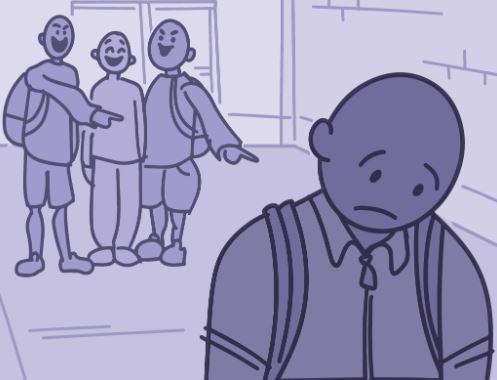
Bullying can be painful and confusing -especially for autistic students who may already navigate social and communication differences at school.
But there are effective ways families, educators, and students themselves can help prevent bullying and respond when it happens.
Understanding what bullying is and how it affects children is an important first step.
Bullying can take many forms - verbal put‑downs, social exclusion, spreading rumors, physical aggression, or harassment because of a student’s disability.
Autistic and other students with disabilities are unfortunately more likely than their peers to experience bullying, and the impacts can affect learning, emotional well‑being, and even a child’s sense of safety at school.
But there is hope - and actionable ways you can help.
What You Can Do at Home and School
- Talk With Your Child
Create a calm, open space where your child can share how their day went or describe how certain situations make them feel.
Listen without judgment, and reinforce that bullying is never their fault. - Work with the School Team
Bullying prevention isn’t something families have to handle alone. Teachers, counselors, principals, and support staff can be powerful allies when they know what’s happening. PACER suggests including bullying prevention as a team goal, especially within an IEP (Individualized Education Program) or 504 Plan, so that support strategies are tailored to your child’s needs. - Use Existing Tools
PACER’s Student Action Plan Against Bullying gives students, families, and educators a structured way to think through what’s happening, how it makes the student feel,
and what steps can help change the situation. It’s a strategy that encourages self‑advocacy while involving trusted adults in action. - Encourage Peer Support
Buddy systems and peer advocacy programs help not only reduce isolation, but also empower classmates to step in positively when they see bullying. Studies show bullying situations stop in many cases when
peers speak up. - Watch for Signs Early
Look out for changes like avoidance of school, anxiety, not wanting to use school routes or tools, or shifts in behavior at home. These can be early clues that a child is struggling with social challenges.
Know Your
Rights
When bullying is based on a student’s disability, it may be considered harassment under federal laws like the Individuals with Disabilities Education Act (IDEA), Section 504 of the Rehabilitation Act, or the Americans with Disabilities Act. Schools are required to address and prevent harassment that interferes with a student’s right to a free and appropriate
education.
PACER also provides template letters families can
use to notify schools in writing about bullying incidents - this can help create a clear record and ensure follow‑up action.
Use trusted support resources if needed:
• Kids Help Phone (Canada): https://kidshelpphone.ca
• Childhelp National Child Abuse Hotline (U.S.): https://www.childhelphotline.org
• PACER's National Bullying Prevention
Center - https://www.pacer.org/bullying
• Autism Society of America – https://autism-society.org
• AIDE Canada
Together We Make a Difference
Bullying doesn’t just affect the target - students who witness it are impacted too. Encouraging kindness, inclusion, and awareness in classrooms creates a more compassionate
school culture for all students.
If you have questions about bullying prevention or want to share what’s worked for your family, I’d love to hear from you - email me any time at [email protected].
With care and support,
Karen